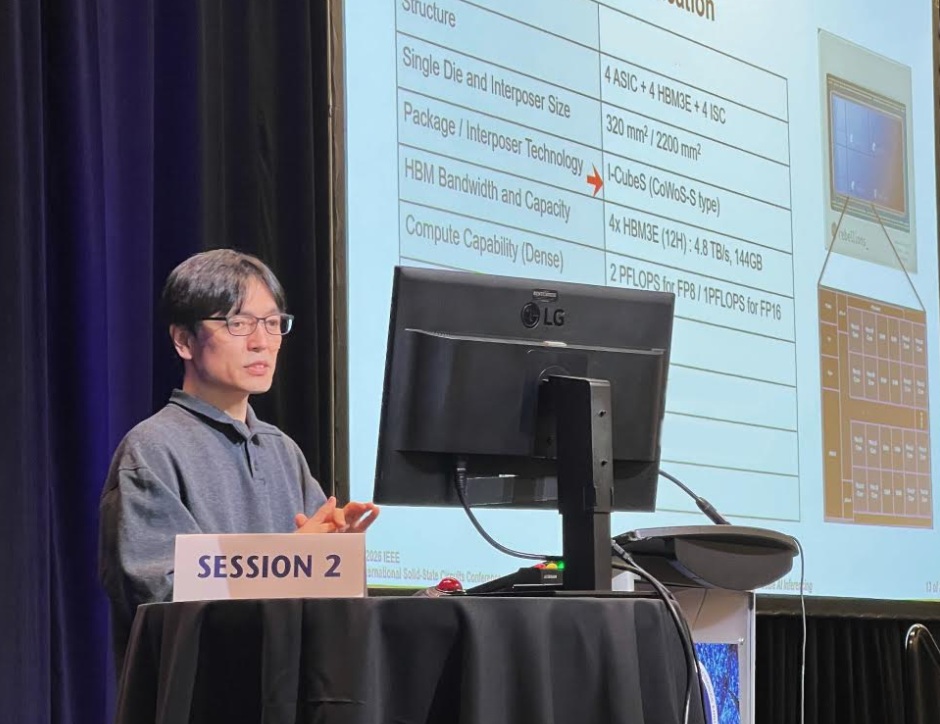
The IEEE International Solid-State Circuits Conference is one of the most prestigious conferences in the semiconductor and integrated circuit industry. Held from February 15–19, 2026 in San Francisco, the conference brings together researchers, engineers, and technology companies to present the latest innovations in solid-state circuits, systems-on-chip (SoC), and semiconductor design.
A key highlight of the conference is the ISSCC Demo Session, where companies and research institutions present live demonstrations of their latest hardware prototypes, silicon chips, and circuit technologies.
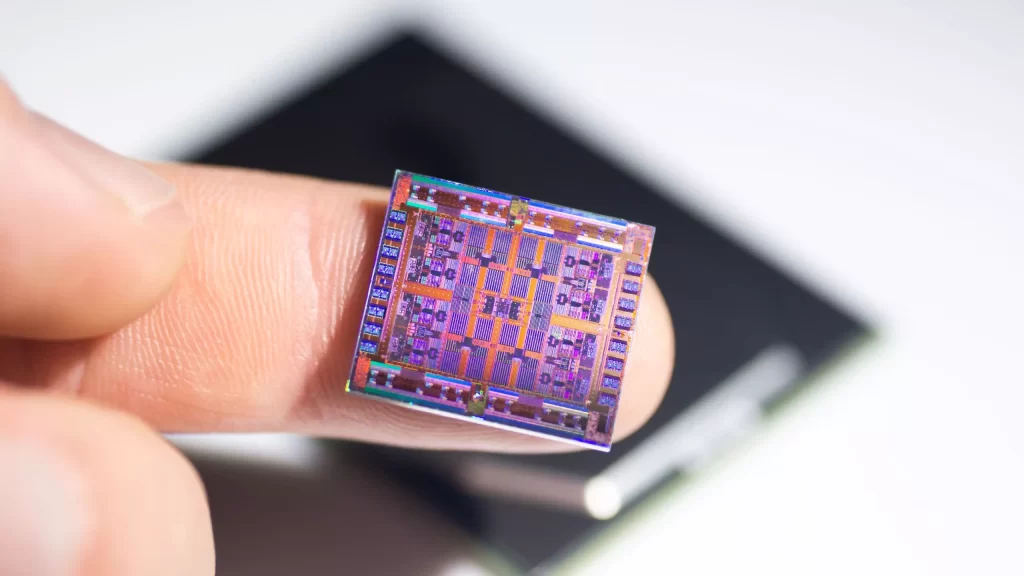
An ISSCC demo is a live demonstration that showcases a working implementation of a research idea or silicon prototype. Unlike standard technical papers that present theoretical concepts and measured results, demo sessions allow attendees to see the technology running in real time.
These demos usually display:
- Working silicon chips
- Hardware prototypes
- Integrated circuit test setups
- Real-time performance measurements
- Functional demonstrations of new technologies
Demo sessions help researchers prove that their innovations work not only in theory but also in practical applications.
Purpose of Demo Sessions at ISSCC
The goal of ISSCC demo sessions is to bridge the gap between academic research and real-world hardware implementation.
These sessions allow attendees to:
- Observe live demonstrations of new chip designs
- Interact directly with researchers and engineers
- Understand how complex circuits operate in practice
- Evaluate performance, power consumption, and system behavior
Companies and universities use demos to highlight their latest breakthroughs in semiconductor technology.
Technologies Demonstrated at ISSCC 2026
The ISSCC demo sessions in 2026 featured innovations across several areas of semiconductor technology.
AI and Edge Computing
Many demonstrations focused on AI acceleration and edge computing hardware, showing how modern chips can process machine learning workloads efficiently.
For example, companies demonstrated AI-enabled microcontrollers capable of performing tasks like real-time image style transfer and intelligent sensing directly on embedded devices.
Advanced Sensors and Embedded Systems
Several demos highlighted new sensor technologies capable of measuring physical signals such as motion, acceleration, or biological data in real time.
Examples include:
- High-precision motion sensing systems
- Camera-based health monitoring technologies
- Real-time signal processing applications
These systems are designed for applications in wearable devices, healthcare monitoring, and smart electronics.
Ultra-Low-Power Circuits
Another major focus at ISSCC 2026 was energy-efficient circuit design. Research teams demonstrated circuits that operate at extremely low power levels for IoT and ambient computing applications.
One example includes nanowatt-level backscatter communication systems designed for future ambient IoT devices.
These technologies aim to enable sensors and devices that can operate for years without battery replacement.
Importance of Live Hardware Demonstrations
Hardware demonstrations are extremely important in semiconductor research because they validate that the circuit design actually works in silicon.
A successful demo proves several things: